

Learn Performance Marketing Through Hands-On Projects
Master paid ads and analytics by building real campaigns from scratch. Get practical experience with performance marketing through hands-on projects.
 Nitesh Roy
6 min read

Key takeaways
- Learn performance marketing through real campaigns instead of just theory.
- Track cost per acquisition and return on ad spend instead of vanity metrics.
- Test one ad variable at a time to find clear winning combinations.
- Document your campaign experiments and optimizations in a portfolio case study.
- Build hands-on practical skills to prove your value to future employers.
On this page
If you want to master paid media, knowing how to learn performance marketing through hands-on projects is the single most important shift you can make in your education. Endless video courses will only get you so far when real money and live algorithms are waiting for you in the wild. Let us look at why building actual campaigns beats taking notes every single day of the week.
Why Practical Experience Beats Theory in Paid Media
Understanding how real budgets change decision-making and optimization strategies
When you spend fake money in a classroom simulator, losing cash feels completely weightless. You can hit random buttons, set wild budgets, and watch numbers move without any emotional or financial consequence. The moment real money leaves a bank account, everything changes in your mindset. You start looking at cost per acquisition with total focus because every dollar spent needs to justify its own existence. This psychological shift is what separates people who just talk about marketing from actual practitioners who know how to protect a client’s bottom line.
Overcoming the gap between theoretical certification exams and actual platform interfaces
Passing a multiple-choice platform exam proves you can memorize definitions, but it rarely teaches you how to handle a messy interface at two in the morning. Real ad dashboards are cluttered, error messages pop up randomly, and attribution windows rarely match what the textbooks promised. Working on AI Performance & Growth Marketing – Foundation Internship Program tasks forces you to click through the real menus, deal with policy rejections, and fix broken tracking pixels firsthand. You learn by breaking things and figuring out how to put them back together.
How to Set Up Your First Simulated Ad Campaign
Choosing a low-risk product, local business, or personal portfolio project to promote
You do not need a massive enterprise budget to start running effective paid ads today. Pick something simple like a local coffee shop’s weekend promo, an online side project, or even an affiliate offer you actually believe in. Keeping the stakes low lets you experiment freely without stressing over a massive financial disaster. If the creative flops, you just pause it, analyze why it failed, and launch a better version tomorrow afternoon.
Navigating Meta Business Suite and Google Ads interface sandbox environments
Getting lost inside ad manager dashboards happens to every beginner during their first week. Take an hour just to click around the settings, billing sections, and audience creation tabs without building anything yet. Setting up a sandbox campaign lets you understand how campaign structures, ad sets, and creative assets nest together logically. Once you map out where everything lives, launching your first real set of paid advertising campaigns feels much less intimidating.
What Metrics Matter Most When Analyzing Results?
Moving beyond vanity metrics like impressions to focus on ROAS and CPA
It feels amazing to see ten thousand people view your new video ad, but impressions alone will never pay the bills. Beginners often get blinded by high click-through rates while ignoring the fact that nobody is actually checking out on the landing page. Shifting your attention to return on ad spend and cost per acquisition keeps your optimization grounded in cold, hard revenue. If a campaign gets a million views but zero conversions, it is just an expensive vanity project.
Setting up custom reporting dashboards to track daily performance shifts
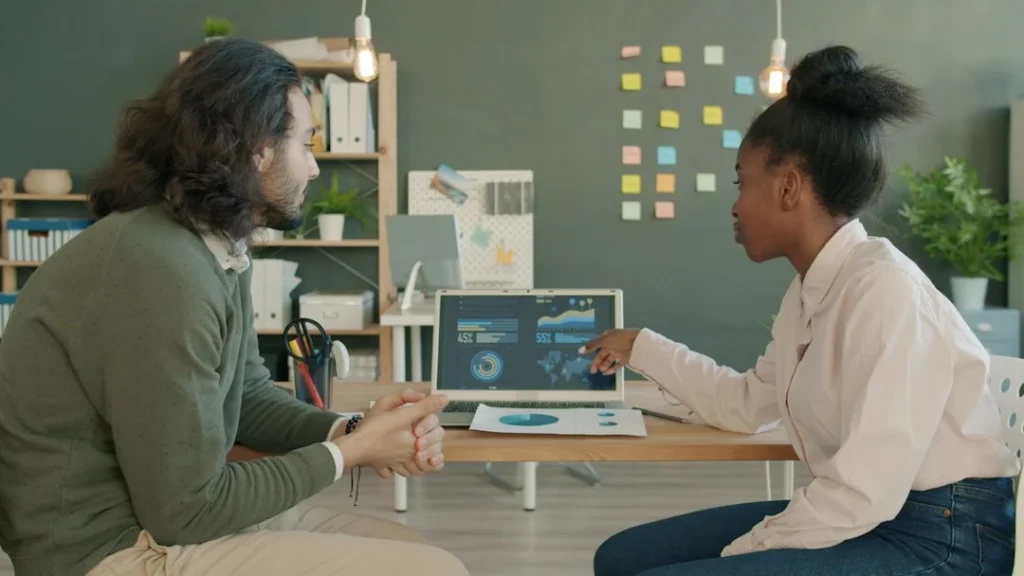
Staring at raw platform data all day is a fast track to mental exhaustion and bad split-second decisions. Building a clean custom report pulls only the core numbers you care about into one easy view. Tracking daily shifts in your cost metrics helps you spot sudden algorithm changes or audience saturation before they drain your budget completely. When you know your baseline numbers inside and out, spotting anomalies takes just a few seconds each morning.
How to Troubleshoot and Optimize Underperforming Ads
Diagnosing creative fatigue and high click costs through data patterns
Every ad eventually wears out its welcome with an audience, and your click costs will start creeping upward as a result. Spotting creative fatigue early means looking for rising frequency metrics combined with dropping click-through rates over a three-day window. When your core demographic gets tired of looking at the same visual, it is time to swap in fresh UGC videos or punchy new carousels. Fixing the root cause quickly saves your campaign from a slow death by high cost-per-click.
Running structured A/B tests on ad headlines, visuals, and target audiences
Randomly changing five different things at once on a Tuesday night is a surefire way to learn nothing from your campaign data. True optimization relies on changing one isolated variable at a time while keeping everything else completely steady. Test a bold new hook against a question-based headline, or pit a lifestyle photo against a product-only graphic. Let the data run until you have enough statistical significance to declare a clear winner.
How to Showcase Your Project Work to Future Employers
Documenting your testing hypotheses, failures, and optimization wins in a case study
Hiring managers rarely care about how many certificates you collected from online courses over the weekend. They want to see how you think when a campaign goes sideways and how you solved the problem using data. Writing a detailed case study about a campaign that flopped, and how you turned it around through systematic testing, shows true maturity. Honesty about your initial failures proves you have actually done the messy work.
Building a visual marketing portfolio that proves your tactical execution skills
Words on a resume can easily be exaggerated, but a live digital portfolio filled with real campaign screenshots speaks volumes. Show off your best ad creatives, custom reporting templates, and structured audience segmentation charts in one clean layout. When you present concrete proof of your campaign builds during an interview, the conversation shifts from whether you are qualified to how soon you can start.
Step-by-Step Implementation
- Define a project goal: Pick a specific product, service, or local business to promote so your campaign has a clear conversion objective from day one.
- Set up ad accounts: Create your Meta Business Suite and Google Ads accounts, then configure your billing and administrative settings properly.
- Install tracking pixels: Place your conversion pixels correctly on the destination website and run a test event to verify data flow.
- Build initial creatives: Design at least three distinct image or video variations alongside compelling copywriting hooks for your target audience.
- Launch structured campaigns: Publish your ads with a modest daily budget, separating your cold audience targeting from your retargeting pools.
- Monitor core metrics: Check your custom reporting dashboard daily to track cost per acquisition, click rates, and overall budget pacing.
- Optimize and iterate: Pause underperforming ad variants, scale up the winning creatives, and run fresh A/B tests each week.
Frequently asked questions
How much money do I need to spend to learn performance marketing?
You can start learning with a very small budget of just a few dollars a day or even use simulated sandbox environments provided by learning platforms. The goal is learning how to read the data and make adjustments rather than scaling a massive commercial budget right away.
Are marketing certifications enough to get a job in paid media?
Certifications show you understand the basic terminology, but employers overwhelmingly prefer candidates who have built real campaigns and solved actual optimization problems. Hands-on project experience proves you can handle live ad spend without panicking.
What is the difference between a vanity metric and a conversion metric?
Vanity metrics like impressions and likes make you feel good but do not directly correlate to business revenue. Conversion metrics like return on ad spend and cost per acquisition show whether your campaigns are actually generating sales and profit.
How long does it take to see results from a new ad campaign?
Most platforms need a few days to exit the initial learning phase as the algorithm figures out who responds best to your creative. Making drastic changes too early will reset this learning phase and hurt your campaign performance.
Next Steps
Pick one small project idea today, set up your ad manager sandbox, and start building your first campaign structure. Real learning happens the moment you launch your first test and check the data the next morning.
Photo by UX Indonesia on Unsplash · Photo by Vitaly Gariev on Unsplash
 Skills & Courses
 Skills & Courses
 Skills & Courses
