

Build a Digital Marketing Portfolio: Entry-Level Guide
 Nitesh Roy
5 min read

Key takeaways
- Build a portfolio to prove your skills instead of relying on past work history.
- Pick your best work across core areas like SEO, paid ads, and social media.
- Use hard data and metrics instead of vague statements to prove your success.
- Keep your portfolio site clean and easy to navigate on mobile devices.
On this page
Trying to land your first role in this industry can honestly feel like a sick joke: companies demand experience, but you need a job to actually get any. Sound familiar? If your resume is looking a bit bare right now, there is a shortcut. Figuring out how to build a portfolio for entry-level digital marketing jobs changes the whole dynamic. Instead of getting grilled on your past work history, you get to say, “Look at what I can already do.” Hiring managers honestly don’t care much about where you worked previously. They care about how you think, execute, and measure success. Here is a step-by-step framework to build a portfolio that proves your skills and helps you stand out.
Choose 3 High-Impact Marketing Projects to Showcase
When you are just starting out, the urge is to cram every single assignment, certificate, and tiny project you’ve ever touched onto your site. Don’t do it. A cluttered portfolio just overwhelms recruiters. Instead, pick your absolute best work across core disciplines like SEO, paid ads, and social media.
If you don’t have official work experience yet, don’t sweat it. You don’t need a fake job; you just need authentic proof of concept. Put together a mix of mock campaigns, volunteer gigs for local businesses, or even a personal blog. For instance:
- The SEO Project: Build a niche affiliate blog or optimize a friend’s website, targeting specific low-competition keywords.
- The Paid Ads Project: Set up a small-budget Meta or Google Ads campaign for a local non-profit or a hypothetical e-commerce brand.
- The Social Media Project: Run a 30-day organic growth challenge on TikTok or LinkedIn for a specific niche, mapping out content calendars and tracking engagement.
Focusing on three distinct pillars shows hiring managers you’re a well-rounded marketer who gets both organic and paid channels.
Document Your Process, Not Just the Final Results
Anyone can slap a pretty graphic into a slide deck or screenshot a dashboard. What separates an amateur from a hireable junior marketer is the ability to explain the “why” behind the work. Recruiters want to peek inside your brain.
For every project in your portfolio, walk the reader through your research and target audience analysis. Did you build customer personas? Did you use Ahrefs or Google Keyword Planner? Explain what those insights uncovered and how they shaped your creative choices.
And be honest about the hurdles. Marketing rarely goes smoothly on the first try. Did your initial ad copy bomb? How did you fix the hook? Highlighting these pivots proves you’re adaptable, analytical, and ready for real-world pressure.
Quantify Results with Real Data and Metrics
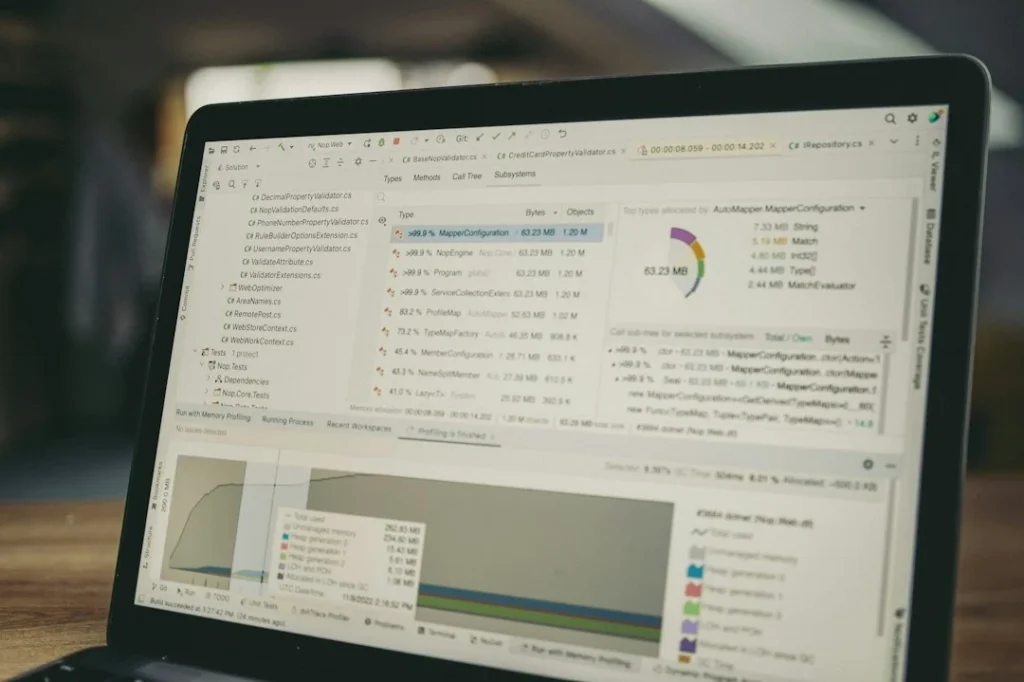
Marketing is a game of numbers. If your portfolio relies on fluffy statements like “the campaign was a big success,” you’re leaving job offers on the table. You need hard evidence.
Bring in specific KPIs. Depending on your project, use click-through rates (CTR), cost-per-acquisition (CPA), organic traffic growth, or conversion rate lifts. Don’t just say you improved social media reach—say you “increased profile reach by 140% over 30 days through targeted hashtag strategies.”
Back it up with actual screenshots from Google Analytics, Meta Ads Manager, or TikTok Analytics. Visual proof builds instant trust and shows you actually know your way around a dashboard.
Build Your Portfolio on the Right Platform
You don’t need a custom-coded website with fancy animations to impress anyone. Clean execution wins every single time. Use simple builders like Notion, WordPress, or Carrd to host your case studies. You can throw together a professional, easy-to-navigate site in a weekend.
Structure each case study like a mini-article: start with an executive summary, walk through the strategy, and end with the results. Also, check your mobile design. Recruiters love scrolling through portfolios on their phones during their commute. Make sure your links work and your text is readable on smaller screens.
Optimize Your Portfolio for AI and Human Recruiters
Your portfolio needs to appeal to human eyes and algorithmic filters alike. Scatter relevant digital marketing keywords naturally through your headers and descriptions. Use terms straight from job postings—like “SEO strategy,” “conversion rate optimization,” and “PPC campaigns.” That way, applicant tracking systems actually recognize your relevance.
And please, don’t leave recruiters hanging. Add a clear call-to-action at the bottom of your home page and every case study. Drop your professional email, a link to your LinkedIn, and a downloadable resume. Make it as easy as possible for someone to reach out and say yes to an interview.
Your Next Steps to Marketing Success
Building a standout portfolio is the fastest way to bypass the experience trap and land interviews. By focusing on strong projects, showing your process, backing up claims with data, and keeping your site clean, you create an asset that speaks for itself. At the VELYON AI Institute, we believe practical execution is the ultimate resume. Take what you’ve learned, build your first case study this week, and take that next step toward your career in digital marketing.
Photo by Hal Gatewood on Unsplash · Photo by Daniil Komov on Unsplash
 Skills & Courses
 Skills & Courses
 Skills & Courses
