

Generative AI for Beginners: How It Works & What to Make
 Nitesh Roy
9 min read
Key takeaways
- Generative AI creates original content instead of just sorting old data.
- Models predict the next logical word or pixel using probability.
- Good prompts give specific instructions to get better results.
- AI can hallucinate and invent fake facts with total confidence.
- Always review and fact check AI outputs before publishing them.
On this page
Quick Summary
- Generative AI creates original text, images, and code rather than just sorting old data.
- Models use probability to predict the next logical word or pixel based on their training.
- You will learn how these systems work, what you can build, and their safety limits.
Have you ever typed a few words into a chat box and watched a computer write a full essay back to you? That magic trick is actually math in action. Generative AI has quickly moved from science fiction into our everyday browsers, and learning how it works is simpler than you might think.
What is generative AI and why is it transforming technology?
Definition of generative AI compared to traditional analytical AI
Analytical AI acts like a strict librarian. It takes a huge pile of data, organizes it, and tells you what is already there. If you ask a traditional algorithm to look at a thousand cat photos, it points out which ones have whiskers and tags them correctly. Generative AI takes things a step further by studying those photos and painting a brand new cat that has never existed in real life. Instead of just categorizing information, it invents entirely new artifacts from scratch.
The shift from retrieving information to creating original content
Old-school search engines act like a digital index finger pointing you to someone else’s website. Modern generative models act more like a creative partner sitting across your desk. They synthesize ideas, combine concepts, and spin up customized text, artwork, or audio in seconds. This shift changes computers from passive storage cabinets into active collaborators. You no longer just look for answers; you co-create solutions with the machine.
Real-world impact across industries like writing, design, and coding
Professionals across nearly every sector now use these tools to speed up their daily routines. Software developers write boilerplate code in seconds, marketers sketch out visual concepts before hiring an illustrator, and writers break through writer’s block with fresh outlines. If you want to dive deeper into practical applications, exploring generative AI engineering can help you build real-world workflows. The goal is rarely to let the machine do everything, but rather to use it as a powerful accelerator for human creativity.
How does generative AI actually work behind the scenes?
The role of large language models (LLMs) and training data
Behind every smart chat interface sits a massive architecture called a large language model. These systems digest billions of pages of text from the internet, absorbing grammar facts, historical events, coding languages, and casual slang. Think of the training data as an enormous library of human conversation. The model reads this library not to memorize specific sentences, but to understand the underlying patterns of how words fit together.
How neural networks predict the next logical word or pixel
Computers do not actually think or feel; they calculate probabilities. When you give a model an input, its neural network looks at the context and asks a simple question: what is the most statistically likely next word? If you write “peanut butter and,” the system assigns a very high probability to the word “jelly.” It strings these high-probability predictions together one by one at lightning speed, creating the illusion of fluent thought. Image generators do the exact same thing, except they predict the next cluster of colored pixels instead of letters.
Understanding prompts and why the way you phrase inputs matters
Your prompt is the steering wheel for all this math. If you give a vague instruction like “write about cars,” you get a bland essay. If you ask the system to “write a humorous two-paragraph story about a vintage Volkswagen trying to parallel park in downtown Rome,” you set clear boundaries. Prompt engineering is simply the art of talking clearly to a machine so it gives you back exactly what you picture in your head.
What kind of text content can you create with AI?
Drafting blog posts, essays, and professional emails
Starting with a blank screen stops many creators in their tracks. AI removes that hurdle by turning rough bullet points into polished paragraphs. You can dictate a quick voice note about your weekend thoughts, ask the model to turn it into a professional email, and then tweak the tone so it sounds like you. It handles the heavy lifting of structure and grammar while you focus on the core message.
Brainstorming marketing campaigns and creative story outlines
When you need fresh ideas for a project, a generative model serves as an endless brainstorming buddy. You can ask it to generate twenty unique hooks for a product launch or outline a three-act sci-fi short story in under a minute. Even if you do not use its exact suggestions, the output often sparks a better idea of your own. It acts as a mirror that bounces your creative prompts back at unexpected angles.
Summarizing long-form articles and extracting key data points
We live in a world overflowing with information, and nobody has time to read every fifty-page report. You can paste a dense research paper into an AI tool and ask for a three-bullet summary of the main arguments. It quickly digests the text, strips away the filler, and hands you the core takeaways. This saves hours of manual skimming when you need to get up to speed on a new topic fast.
How can you generate images, audio, and video?
Using text-to-image tools like Midjourney and DALL-E
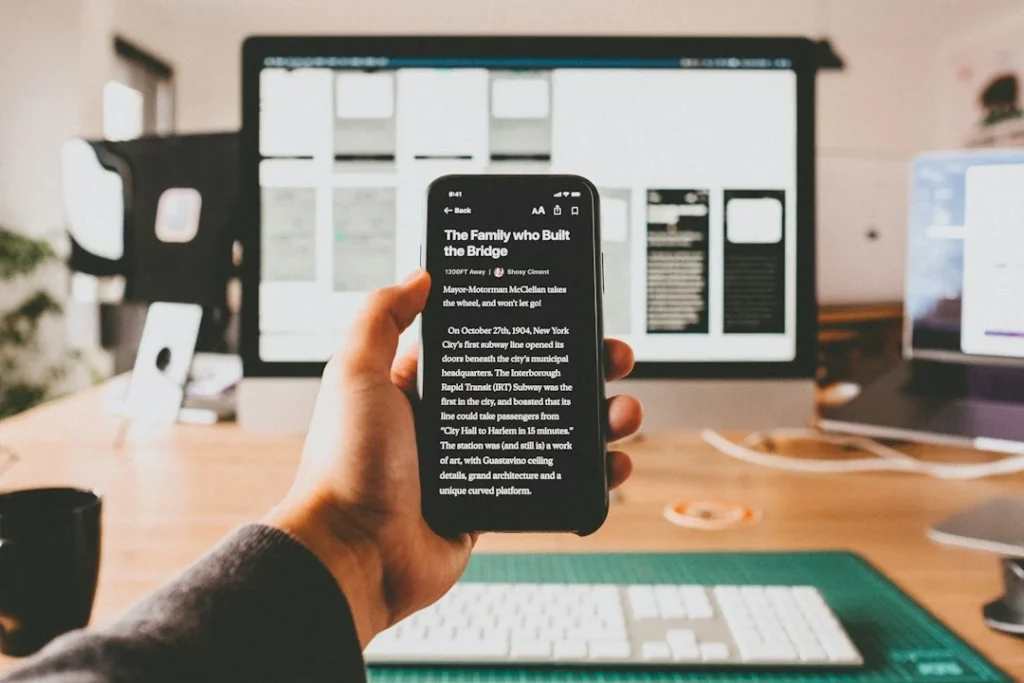
Turning text into stunning visuals used to require years of digital art training. Now, typing a descriptive sentence into tools like Midjourney or DALL-E produces breathtaking paintings, realistic photos, or whimsical 3D renders instantly. You describe the lighting, the art style, and the subject matter, and the model paints your vision pixel by pixel. It lets non-artists bring imaginative concepts to life for presentations, blogs, and mood boards.
Exploring AI voice cloning and music generation basics
Audio generation has advanced just as quickly as text and images. Modern voice models can read written scripts aloud using surprisingly natural intonation, pausing in the right spots and adding emotional inflection. Similarly, music generation platforms let you type out a genre, mood, and instrumentation to produce original background tracks. Creators use these tools to add professional voiceovers and custom soundtracks to their projects without expensive studio equipment.
Overview of AI video creation platforms for social media
Video is traditionally the hardest medium to produce because it requires cameras, lighting, editing, and actors. AI video tools now let you generate short cinematic clips from simple text prompts or animate still photos with subtle movement. While full-length Hollywood movies are still made by humans, short-form creators use these platforms to generate B-roll footage and eye-catching social media backgrounds in minutes.
What are the limitations and ethical risks of generative AI?
Understanding AI hallucinations and factual inaccuracies
Computers want to please their users, which sometimes leads to a peculiar quirk called hallucination. Because models focus on sounding fluent rather than verifying facts, they can invent completely fake statistics, historical events, or legal citations with total confidence. AI hallucinations mean you can never trust an output blindly. You must always verify important facts against reliable primary sources before publishing them.
Copyright concerns and ethical considerations around training data
Training these massive models required scraping billions of images, articles, and lines of code from the open internet, often without the original creators’ explicit permission or compensation. This has sparked ongoing legal debates about intellectual property and fair use. Artists and writers frequently worry about their distinct styles being copied without credit, making the ethics of generative technology one of the most contested topics in tech today.
The importance of human oversight and fact-checking
Generative models make fantastic assistants, but they make terrible decision-makers. They lack moral judgment, emotional intelligence, and real-world lived experience. Human oversight is essential to catch biases, correct factual errors, and ensure the final product actually serves people well. Think of AI as an eager intern who needs an experienced manager to review every piece of work before it goes out the door.
Step-by-Step Implementation
- Choose your tool: Select a beginner-friendly chat interface, image generator, or writing assistant to start experimenting with.
- Create an account: Sign up for a free tier on the platform of your choice so you can test its core features without financial risk.
- Write a simple prompt: Type a basic request into the chat box, such as asking for a recipe using three leftover ingredients in your fridge.
- Observe the output: Read through the generated response to see how the model structured its sentences and answered your request.
- Refine your instructions: Add specific constraints to your next prompt, asking the model to adjust its tone, length, or formatting.
- Fact-check the details: Review any claims, dates, or data points the model provided to ensure they are completely accurate and true.
- Apply your personal touch: Rewrite parts of the output in your own voice so the final creation reflects your unique style and perspective.
Frequently Asked Questions
Do I need to know how to code to use generative AI?
Not at all. Most modern generative tools use plain conversational language, meaning you can talk to them just like you would talk to a human friend.
Are free AI tools safe to use for personal projects?
Most public platforms are safe for general brainstorming and learning, but you should avoid pasting private personal data, passwords, or confidential company secrets into them.
Why does the AI sometimes give me the wrong answer?
Models predict words based on statistical probability rather than looking up verified facts, which means they can occasionally generate convincing falsehoods.
Can I sell artwork or writing created by artificial intelligence?
Copyright laws regarding AI-generated content vary widely by country and platform rules, so you should always check the specific terms of service of the tool you used.
Next Steps
Pick one free generative tool today and run a simple experiment with a creative writing prompt or a research summary. Practice talking to the model like a collaborator rather than a search engine, and remember to always verify its facts before sharing your work.
Photo by Zach M on Unsplash · Photo by Jose Rago on Unsplash
 AI & Tech
 AI & Tech
 AI & Tech
