

How to Build a Social Media Content Experiment
 Nitesh Roy
6 min read

Key takeaways
- Pick one variable to test at a time.
- Write a clear if and then hypothesis.
- Match your metrics to your content goals.
- Avoid vanity metrics that distort data.
- Document your learnings for future campaigns.
On this page
Quick Summary
- Learn how to build a social media content experiment and evaluate results using a clear, step-by-step framework.
- Discover how to set a solid hypothesis, isolate test variables, and pick the right metrics.
- Master the art of tracking data accurately and turning raw numbers into real content improvements.
Most creators post random stuff, cross their fingers, and hope the algorithm smiles on them. But if you want actual growth, you need to treat your feed like a science lab. Learning how to build a social media content experiment and evaluate results takes the guesswork out of your strategy and helps you figure out what your audience actually cares about.
Why run social media content experiments?
Moving away from guesswork to data-backed decisions
When you rely purely on intuition, you end up repeating the same formats just because they worked once last year. Running a structured test helps you break out of that creative rut. Instead of wondering why a reel flopped, you get clear proof about what resonates. It shifts your workflow from throwing spaghetti at the wall to making deliberate, confident choices.
This approach also saves you a ton of time. When you know your audience prefers short, punchy hooks over long explanations, you stop wasting hours producing content they will scroll past. You can dive deeper into practical marketing campaigns through our AI Digital Marketing Foundation Internship Program to practice these exact testing habits.
Understanding audience behavior shifts and algorithm changes
Social media platforms update their algorithms constantly, and user preferences change just as fast. What worked six months ago might trigger zero traction today. By running regular tests, you spot these subtle shifts early. You stay ahead of the curve instead of scrambling to recover when your usual reach drops unexpectedly.
How to define a clear test hypothesis
Formulating ‘If/Then’ statements for your content
Every good experiment starts with a clear prediction. Write your test as a simple formula: if you change X, then Y will happen. For example, you might say: If we use a question in the first three seconds, then the retention rate will increase by ten percent. This keeps your experiment focused and gives you a definitive way to judge success later.
Isolating a single variable to test at a time
The biggest mistake people make is changing everything at once—new visuals, a different hook, a new posting time, and a fresh caption style all in a single post. If that post performs well, you will never know which element actually drove the success. Keep your test variables separate so you can pinpoint the exact cause of any performance spike.
How to select the right metrics and KPIs
Matching KPIs to experiment goals (reach vs. engagement)
Your metrics need to match what you are actually trying to learn. If you are testing brand awareness, your primary focus should be on reach and impressions. If you are testing community connection, you want to look closely at saves, shares, and meaningful comments. Choosing the right data points ensures you are measuring what actually matters for that specific test.
Avoiding vanity metrics that distort performance data
It is easy to get distracted by big numbers that look great on a report but mean very little for your business. Total follower count and basic likes can give you a false sense of security while hiding low engagement rates. Focus instead on actionable engagement metrics that show your audience is genuinely interacting with your material.
How to set up your test parameters and timeline
Determining sample size and statistical significance
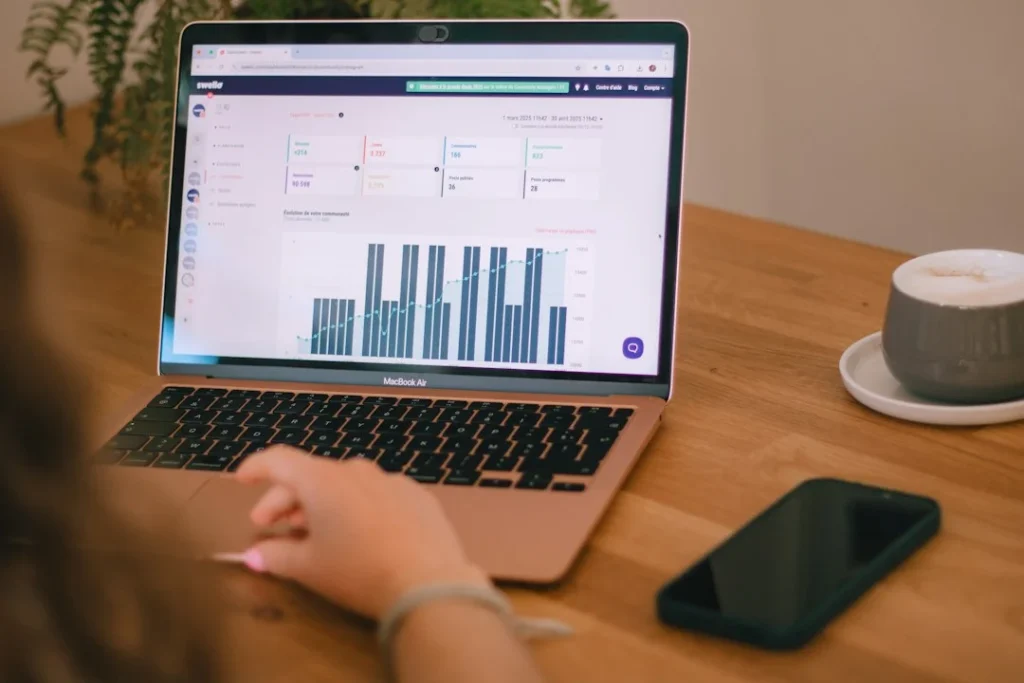
You cannot run a test on a single post and call it a day. To get reliable data, you need enough data points to prove your results are not just a random fluke. Make sure you test your content across a representative sample of your audience before making any permanent changes to your strategy.
Controlling for external factors like seasonality and timing
External events can completely ruin a social media test without you realizing it. A major holiday, a breaking news cycle, or even a sudden platform glitch can skew your numbers. Try to run your comparison tests on similar days of the week and keep an eye on external trends during your evaluation timeline.
How to analyze results and document learnings
Evaluating performance data against your initial hypothesis
Once your testing window closes, pull your numbers and compare them directly to your original prediction. Did your change actually move the needle, or did things stay completely flat? Be honest about what the data shows, even if it completely contradicts what you hoped would happen.
Building a repository of insights for future campaigns
Do not let your test results sit in a forgotten spreadsheet. Document your wins, losses, and surprising discoveries in a central hub so your team can reference them later. Over time, this archive becomes your ultimate cheat sheet for crafting high-performing content without starting from scratch every week.
Step-by-Step Implementation
- Pick your goal: Decide what specific question you want answered, such as whether video length affects viewer retention.
- Write your hypothesis: Draft a clear if/then statement outlining the exact change you expect to see in your metrics.
- Isolate one variable: Choose just one element to alter—like changing your hook style—while keeping everything else identical.
- Run the test: Publish your control content alongside your test variant under similar conditions and timing.
- Measure the results: Collect your performance data after a set period and compare the numbers against your initial prediction.
- Document the findings: Log what worked and what failed in a shared team document to guide your upcoming content strategy.
Frequently Asked Questions
How long should a social media content experiment run?
Most tests need to run for at least one to two weeks to gather enough data across different days and posting times. Short tests can easily be skewed by a single viral post or a slow weekend.
How many variables can I test at the same time?
You should only test one variable per experiment if you want clear, reliable results. Testing multiple changes at once makes it impossible to know which adjustment caused the performance shift.
What should I do if my test results are inconclusive?
Inconclusive results usually mean your sample size was too small or the change you made was too subtle to notice. Try running the test again with a more dramatic variation or extend your testing window.
Do I need expensive analytics tools to run content experiments?
Not at all. Native analytics dashboards built into platforms like Instagram, LinkedIn, and TikTok provide all the basic metrics you need to run effective content tests.
Next Steps
- Pick one single content variable you want to test on your feed this week.
- Write down a clear hypothesis before you publish your next post.
- Track your metrics and document what you learn to improve your next campaign.
Photo by Muhammed Şirin Öncelik on Unsplash · Photo by Swello on Unsplash
 Skills & Courses
 Skills & Courses
 Skills & Courses
