

What Employers Look For in a Candidate Portfolio
 Nitesh Roy
7 min read

Key takeaways
- Showcase three to five deep-dive project case studies.
- Document your initial research and problem-solving process.
- Include quantifiable metrics like revenue growth or time saved.
- Ensure your portfolio website has clean and responsive navigation.
On this page
Quick Summary
- Discover the exact criteria, deep-dive projects, and presentation details hiring managers use during a candidate portfolio evaluation.
- Learn how to showcase your problem-solving process and real-world metrics effectively.
- Master a solid portfolio review checklist to impress potential employers and secure freelance or remote roles.
- Understand the hiring portfolio best practices that turn a basic collection of links into a compelling professional story.
A great resume might get your foot in the door, but a compelling collection of your best work seals the deal. When hiring managers sort through dozens of applicants, they want tangible proof that you can handle the job without hand-holding. Let us look closely at what employers should look for in a candidate portfolio and how you can make yours stand out.
Why is a candidate portfolio critical for modern hiring?
Resumes show what candidates claim they can do, while portfolios prove it through tangible output.
Anyone can write persuasive bullet points on a piece of paper, claiming they master complex software or strategic planning. However, words on a resume rarely show how a person handles messy deadlines, difficult client feedback, or unexpected technical hurdles. When decision-makers perform a thorough candidate portfolio evaluation, they want to see raw evidence of your capabilities. Your past work acts as an honest preview of what working with you will actually be like.
Portfolios demonstrate practical application, critical thinking, and industry readiness better than credentials alone.
Traditional degrees and certificates tell part of the story, but practical application reveals true competence. Employers care deeply about whether you can take a vague brief and turn it into a working solution. A well-organized showcase highlights your ability to reason through complex problems and adapt when things go off script. This readiness is precisely why many companies now rely on our Opportunities for Businesses and Employers portal to find talent that has already proven their skills on live projects.
What core elements should every strong portfolio include?
A clear introduction highlighting the candidate’s core expertise and professional mission.
Nobody wants to guess what you do when they land on your homepage. Your portfolio needs an immediate, punchy introduction that tells visitors who you are, what tools you use, and the specific problems you solve. Think of this as your professional elevator pitch combined with a warm handshake. Keep it short, authentic, and completely free of confusing jargon so anyone can understand your value in five seconds.
A curated selection of deep-dive project case studies rather than a massive dump of unfinished work.
More does not mean better when it comes to showcasing your professional journey. Exhibiting twenty mediocre projects hurts your chances much more than featuring three exceptional, deeply explained case studies. Walk the reader through the origin of the project, your specific role, the obstacles you faced, and the final deliverable. Quality always beats quantity when hiring managers scan your work during a busy workday.
How can you evaluate a candidate’s problem-solving process?
Look past the final polished design or code to inspect the initial challenge and research phase.
The polished final product is just the tip of the iceberg in any serious portfolio review checklist. Employers are genuinely fascinated by the messy middle and the starting line of a project. Did you conduct user interviews, analyze market competitors, or test early wireframes? Showing your early sketches, whiteboard scribbles, and research notes proves that your final results are grounded in solid logic rather than sheer luck.
Assess how well the candidate documents their setbacks, pivots, and iterations during project execution.
Every real-world project encounters roadblocks, failed experiments, and sudden changes in direction. If a portfolio presents every project as an effortless straight line from idea to perfection, experienced hiring managers will spot the illusion instantly. Being transparent about what did not work and explaining how you pivoted shows incredible professional maturity. It tells the employer that you can take constructive criticism and fix mistakes without losing your momentum.
What types of metrics and outcomes matter most?
Hiring managers look for quantifiable results such as revenue growth, time saved, or efficiency gains.
Creative work is wonderful, but business leaders ultimately care about business impact. Whenever possible, tie your projects to concrete numbers that show your financial or operational value. Did your marketing campaign increase organic traffic by forty percent? Did your automated workflow save the team five hours every week? Using real metrics turns your creative output into a smart financial investment for any company looking to grow.
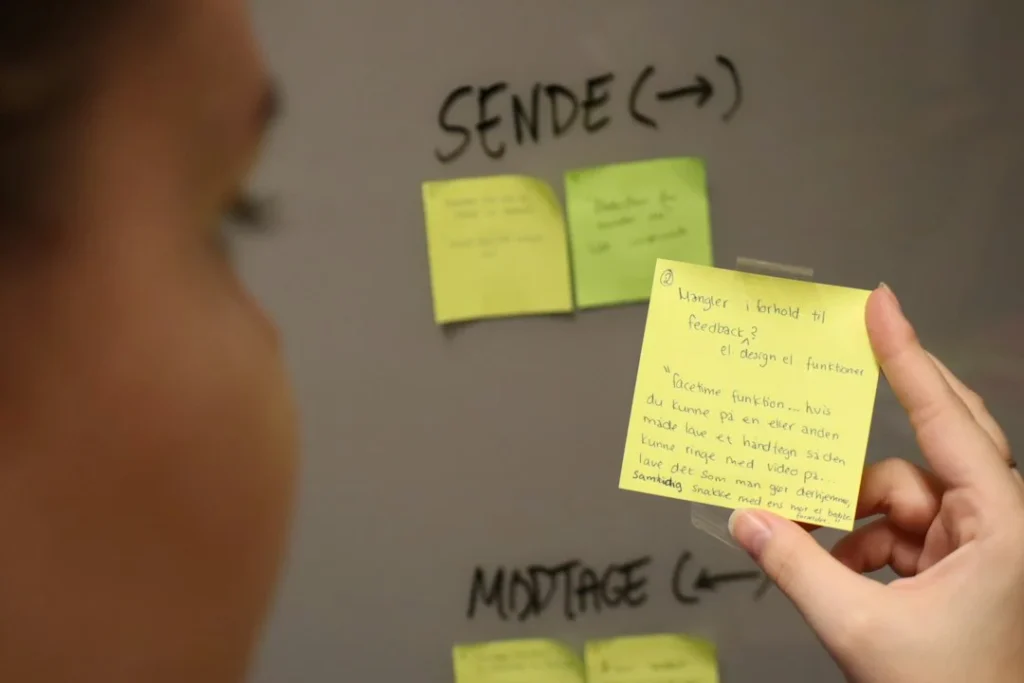
Candidates should clearly tie their individual contributions to the overall success of the project.
Team projects can sometimes blur the line between individual brilliance and group effort. If you worked on a massive team launch, make sure your specific responsibilities are crystal clear to everyone reading. Did you lead the user research, write the core copy, or build the layout? Clarifying your exact slice of the pie ensures you get credit for your own hard work while still showing you play well with others.
How do presentation and user experience reflect on the candidate?
The portfolio itself serves as a direct proxy for the candidate’s organizational and design skills.
Your portfolio is your very first test in user experience design and professional presentation. If your site takes ten seconds to load, features broken links, or uses unreadable font sizes, employers will assume your client work suffers from the exact same neglect. Treating your portfolio as your most important project sets a high standard for your attention to detail. You can easily set up your own professional showcase by visiting Claim Your Free Portfolio to present your best achievements cleanly.
Keep your case study paragraphs concise by using bullet points for key achievements, making it much easier for busy recruiters to skim your best highlights in seconds.
Clean navigation, responsive layouts, and concise copywriting indicate strong professional communication.
Clear communication is the hidden superpower behind every great career. When your portfolio features intuitive navigation, mobile-friendly layouts, and straightforward writing, it shows you respect the reader’s time. Avoid overly poetic paragraphs that obscure your actual points. Let your work speak for itself through clean aesthetics and straightforward, professional language.
Step-by-Step Implementation
- Audit your existing work and select three to five of your most comprehensive and proudest projects.
- Structure each case study by outlining the initial problem, your research process, and the final solution.
- Add measurable outcomes such as percentage growths, time saved, or positive user feedback to every project.
- Refine your personal introduction so visitors immediately understand your core skills and professional identity.
- Test your portfolio website across multiple devices to ensure fast loading speeds and flawless mobile responsiveness.
- Review your copy for clarity, removing any confusing industry jargon or overly long paragraphs.
- Publish your completed portfolio and share it with peers or mentors for final constructive feedback.
Frequently Asked Questions
How many projects should I include in my professional portfolio?
Aim for three to five deep-dive case studies rather than a massive archive. Focusing on a handful of your absolute best projects lets you explain your process thoroughly without overwhelming the reviewer.
Should I include failed projects or unfinished client work?
You can include projects that did not launch if you frame them around the lessons you learned and the pivot decisions you made. Just make sure you have permission to share any confidential client information before publishing.
How do I show my individual contributions on team projects?
Use a dedicated role label at the beginning of your case study and explicitly state your responsibilities in the body text. Mention what parts you built, designed, or managed independently from your team.
Is a custom coded website better than a portfolio builder?
Employers care far more about the content, case study structure, and user experience than the underlying tech stack. Choose whichever platform lets you publish your work quickly and cleanly without constant technical bugs.
Next Steps
Take a critical look at your current showcase today and pick your three strongest projects to rebuild into detailed case studies. Focus on documenting your problem-solving journey and adding real numbers to prove your impact.
Photo by Vitaly Gariev on Unsplash · Photo by Christian Brok on Unsplash
Build your career with VELYON
Related reading
 Resume & PortfolioHow to Showcase Analytical Thinking in Marketing Projects7 min read · October 22, 2026
 Resume & PortfolioHow to Present Keyword Research in a Portfolio Project6 min read · October 22, 2026
 Resume & PortfolioHow to Document a Digital Marketing Experiment in a Portfolio8 min read · October 22, 2026
