

How to Manage Freelance Digital Marketing Projects
 Nitesh Roy
8 min read

Key takeaways
- Define exact deliverables in your contract to stop scope creep.
- Use intake forms to collect brand assets before starting work.
- Batch copywriting and design tasks to boost weekly output.
- Limit revision rounds in writing to protect your daily schedule.
- Turn raw data into clear ROI reports for your monthly clients.
On this page
Quick Summary
- Learn how to manage freelance digital marketing projects from onboarding to final ROI reports.
- Discover practical frameworks for structuring weekly sprints, revisions, and client communication.
- Understand the exact steps needed to protect your time and secure recurring retainers.
Juggling multiple client accounts, social media calendars, and sudden revision requests can quickly turn your solo freelance business into total chaos. If you have ever felt completely overwhelmed by endless Slack messages and scattered Google Docs, you are definitely not alone. Figuring out how to manage freelance digital marketing projects effectively is the single best way to protect your mental energy and keep clients happy.
How to set clear project scopes and onboarding workflows
The moment a client signs your proposal is the exact moment things can start going off the rails if you do not have boundaries. Setting expectations early prevents misunderstandings and makes your life much easier down the road.
Defining exact deliverables to prevent scope creep
Scope creep is the silent killer of freelance profit margins. A client starts with a basic monthly social media management package, and suddenly they are asking for website redesigns and email funnels for the same flat fee. You need to outline every single asset, post count, and campaign type in your initial contract. Whenever a client asks for extra work outside that list, you can gently point back to your document and discuss a new pricing tier. Protecting your time means you never work for free.
Using client questionnaires to gather necessary brand assets and access
Chasing clients for brand guidelines, login credentials, and logo files can delay your campaign launch by weeks. Build a standard onboarding form using Typeform or Google Forms that collects everything you need on day one. Ask for brand colors, tone of voice guidelines, competitor links, and admin access to their ad accounts before you write a single word of copy. When you have all your ingredients ready in one folder, your actual digital marketing workflow becomes smooth and predictable.
What are the best digital marketing project management tools?
Trying to remember what needs to be posted on Thursday by keeping it all in your head is a recipe for missed deadlines. You need a centralized digital home for every campaign you run.
Comparing Kanban boards versus timeline views for marketing campaigns
Kanban boards like Trello or ClickUp are amazing for moving individual content pieces through stages like drafting, review, and scheduled. They let you see at a glance what needs your attention right now. On the other hand, timeline or Gantt chart views are better for complex multi-channel launches that have hard launch dates. Knowing when to use each view keeps your planning sharp without getting bogged down in software settings.
Centralizing tasks so clients and freelancers stay on the same page
Email threads are terrible places to track tasks, because things get buried and lost forever. Invite your clients into a shared project management space where they can see progress bars and status updates in real time. This cuts down on the constant “just checking in” emails that eat up your afternoon. When both sides look at the same dashboard, client communication for freelancers becomes transparent and stress-free.
How to structure your weekly marketing production sprints
Working reactively—jumping from task to task whenever a notification pops up—burns you out fast. Setting up a predictable weekly rhythm helps you produce better work in half the time.
Batching content creation tasks like copywriting and graphic design
Switching contexts between writing a witty caption, designing an Instagram tile, and analyzing Google Analytics destroys your focus. Instead, dedicate entire mornings to writing all your social captions for the week, and whole afternoons to batch-designing graphics in Canva. By grouping similar tasks together, your brain gets into a creative flow state. This simple batching habit can easily double your daily content output.
Allocating dedicated time blocks for SEO audits and analytics reporting
Technical tasks like reviewing search console data or checking backlink profiles require quiet concentration. If you leave these tasks for Friday afternoon when your brain is already fried, you will likely miss important trends. Block out specific uninterrupted hours mid-week to review numbers, track keyword shifts, and plan adjustments. Consistent data check-ins ensure your campaigns actually deliver the results your clients hired you for.
How to handle client feedback and revision rounds
Feedback can sometimes feel like a personal attack on your creative work, but it is just a normal part of the client collaboration process. Managing opinions calmly is what separates amateurs from seasoned pros.
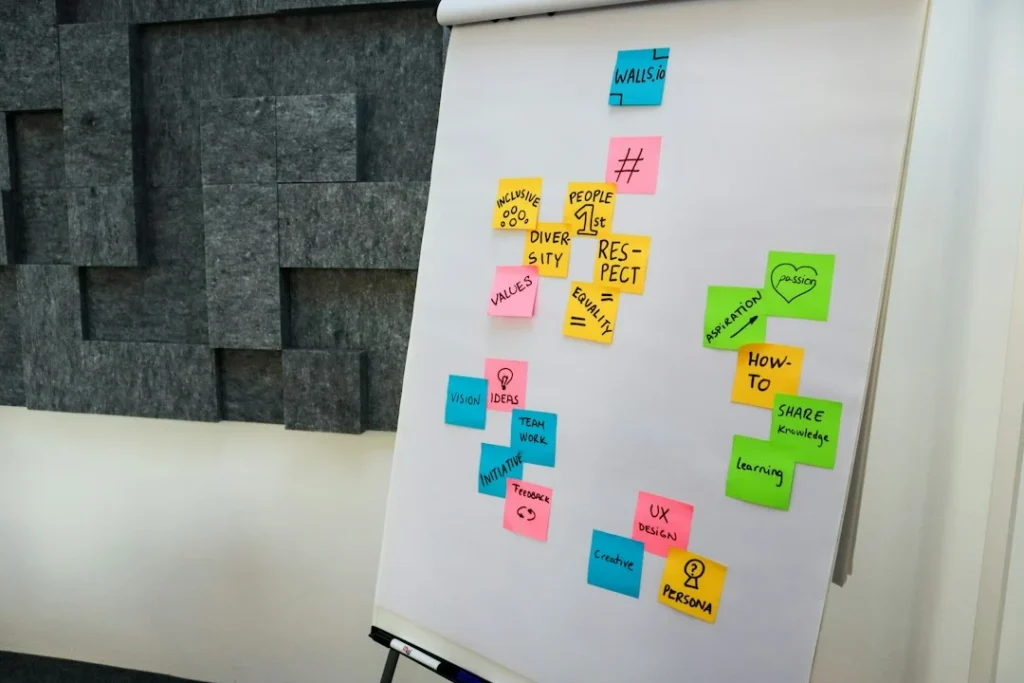
Establishing a clear limit on revision rounds in your initial contract
Some clients will request endless tweaks because they want everything to feel personally tailored to their changing moods. You can stop this cycle by stating clearly in your contract that your packages include two rounds of revisions. Any extra changes beyond those agreed rounds will be billed at your standard hourly consultation rate. Setting this boundary makes clients think carefully before asking you to completely rewrite a piece of content.
Consolidating client feedback into actionable adjustment tasks
When a client sends you a messy email with bullet points scattered across five different paragraphs, take a breath before replying. Read through their notes, translate vague comments into specific tasks, and send back a quick summary confirmation. For example, if they say “make it pop,” ask if they want brighter accent colors or a stronger hook in the opening sentence. Turning vague feedback into clear bullet points saves you from guessing and doing extra work.
How to deliver results and secure recurring monthly retainers
The end of a successful short-term campaign is the best possible moment to transition the relationship into a long-term monthly partnership. You just have to show them the real value you brought to the table.
Translating raw metrics into clear ROI reports for clients
Most small business owners do not care about raw impressions or click-through rates nearly as much as they care about leads and sales. Instead of sending a confusing spreadsheet with fifty columns of data, put together a simple one-page summary deck. Highlight how much traffic you drove, how many leads you captured, and what their estimated return looks like. When you connect your marketing efforts directly to their bottom line, they will want to keep paying you.
Send your monthly performance reports 24 hours before your sync call so the client has time to review the numbers and prepare questions.
Pitching ongoing optimization services at the end of a successful project
Once you wrap up an initial three-month campaign and present glowing results, ask what the next growth phase looks like. Pitch an ongoing monthly retainer that covers continued content creation, technical SEO, and conversion rate optimization. Because they already trust your work and see the revenue you generated, saying yes to a retainer is an easy decision for them. Building stable monthly income streams gives you the security to grow your freelance business on your own terms, and you can even explore Find Freelance Projects to find more client accounts when you are ready to scale up.
Step-by-Step Implementation
- Do this: Draft a clear contract template that lists exact deliverables and a strict limit on revision rounds. This protects you from scope creep and keeps projects on schedule.
- Do this: Build a reusable client intake form using Typeform or Google Forms to collect brand guidelines, passwords, and assets before day one.
- Do this: Set up a centralized Kanban board in your favorite project management tool to track every piece of marketing content from idea to publishing.
- Do this: Batch your weekly production tasks by grouping copywriting, graphic design, and video editing into dedicated time blocks.
- Do this: Schedule mid-week focus hours to review analytics, track keyword movements, and check campaign performance metrics without interruptions.
- Do this: Consolidate all client feedback into clear, single-thread bullet points before starting any content revisions.
- Do this: Create a simple one-page ROI report that translates raw digital marketing data into clear business growth highlights.
- Do this: Pitch an ongoing monthly retainer at the end of successful projects to secure steady, recurring income for your freelance business.
Frequently Asked Questions
What is the best way to handle clients who demand instant responses?
Set clear communication boundaries right from your onboarding call by sharing your working hours and preferred messaging channels. Let clients know you check messages twice a day so you can focus deeply on your creative tasks without constant distractions.
How do I price my freelance digital marketing projects?
Charge based on the value and scope of the deliverables rather than trading your time for hourly wages. Calculate how many hours a project will take you, add a buffer for revisions, and quote a flat project fee or monthly retainer.
What should I do if a client misses deadlines for providing brand assets?
Send a polite reminder email and explain that delayed assets will push back your final delivery date accordingly. Keeping a paper trail protects your schedule when clients take too long to send over necessary logins or product photos.
How many clients can I manage at the same time as a solo freelancer?
Most solo digital marketing freelancers comfortably manage three to five retained clients alongside a couple of short projects. Once you hit capacity, consider standardizing your workflows or outsourcing specific tasks like graphic design.
Next Steps
Review your current client roster and update your onboarding questionnaire today. Streamline your project management workspace so your next campaign runs without unnecessary stress.
Photo by ChuanYang Chen on Unsplash · Photo by Walls.io on Unsplash
Build your career with VELYON
Related reading
 Freelancing & ProjectsAI Workflow Automation Projects for Beginners10 min read · October 24, 2026
 Freelancing & ProjectsPractical AI Projects for a Portfolio & How to Document9 min read · October 24, 2026
 Freelancing & ProjectsAI Engineering Projects for Beginners: Build Skills9 min read · October 24, 2026
